
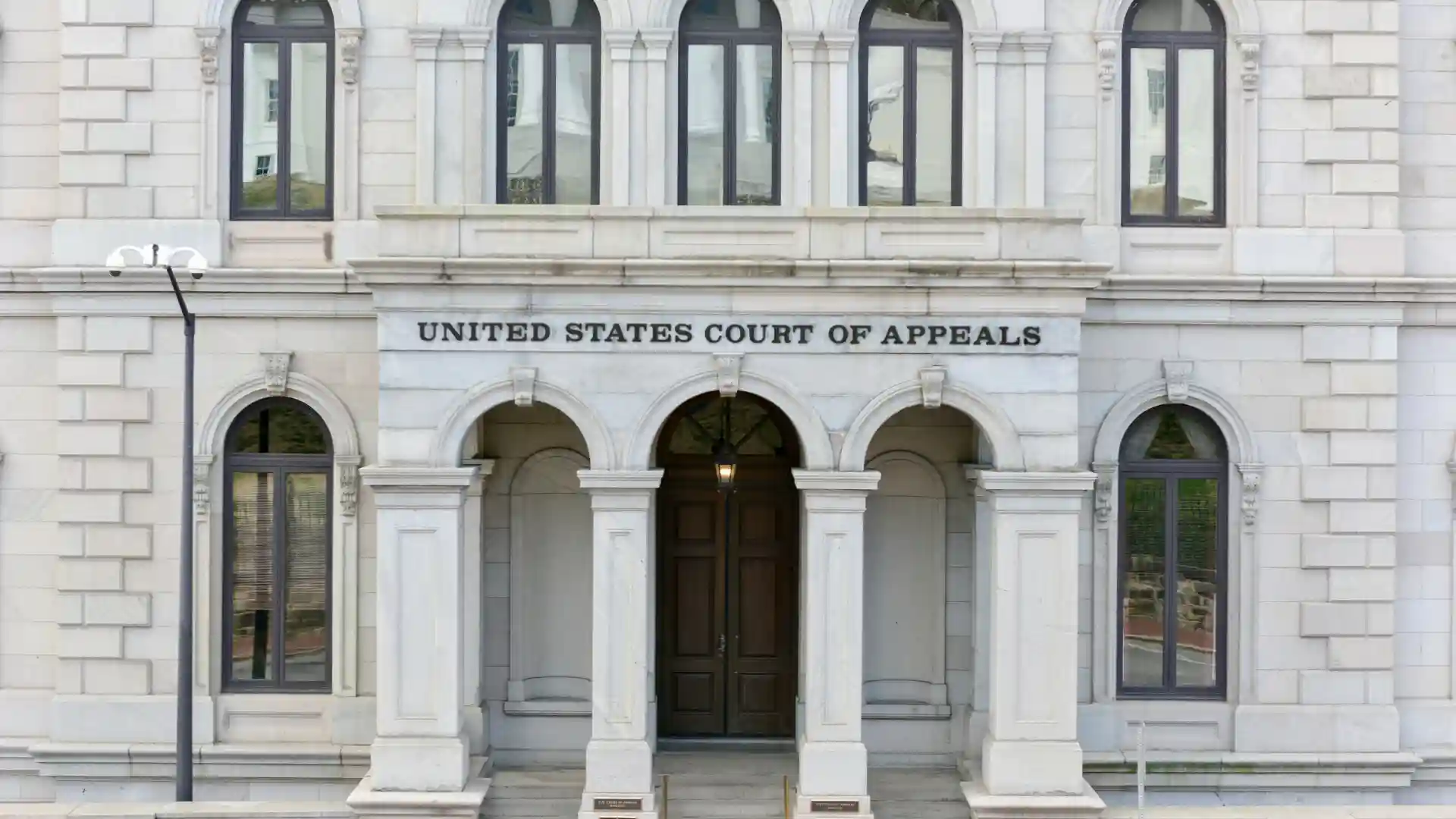
Appellate Representation
The work that won at trial is rarely enough to win on appeal. The forum is different, the rules are different, and the argument that persuaded a jury or a trial judge may need to be rebuilt entirely for a panel of appellate jurists reviewing a cold record. The stakes at this stage are often significant: an adverse ruling sets precedent, forecloses options, and can be difficult to undo. How the appeal is handled matters.
Dunlap Law, PLLC, represents clients directly on appeal and assists trial counsel at every stage of the appellate process, from the first procedural steps through briefing, oral argument, and final disposition. Some engagements involve full appellate representation. Others involve working on a specific issue or petition. The scope is defined by what the case requires. In every engagement, the focus is the same: presenting a clear, well-grounded argument.
The Appellate Process
Appellate practice begins before the notice of appeal is filed. Deadlines are jurisdictional, the record is fixed, and the issues available for review are limited to what was properly raised and preserved below. Understanding the procedural posture of a case at the outset shapes everything that follows. We begin each engagement by working through these questions carefully.
Briefing
The brief is usually where an appeal is won or lost. Appellate judges are supported by professional law clerks and research attorneys, and most cases are decided on the papers alone without oral argument. The brief must therefore do all of the work, identifying the strongest available arguments, framing them within the governing legal standards, and presenting them with the clarity and precision that appellate courts expect. This demands sustained attention over long periods of time and a thorough command of the record, the applicable rules, and the relevant legal authorities. It is the core of what we do.
Oral Argument
When oral argument is granted, it is an opportunity to address the court's concerns directly and to sharpen the issues the briefs have raised. Effective oral argument requires a command of the record, a deep understanding of the law, and the ability to accurately anticpate the panel’s questions. We prepare thoroughly for every argument and approach the podium with a clear sense of where the case stands and what the court needs to hear.
Petitions for Extraordinary Relief
Petitions for writs of certiorari, mandamus, supersedeas, and other forms of extraordinary relief involve distinct procedural standards and require a focused, well-supported argument for why the appellate court should exercise its discretionary jurisdiction. We handle these petitions with the same attention to procedural precision and legal authority that the underlying appeal demands.
Working Alongside Trial Counsel
Many appellate engagements are collaborative. Trial counsel knows the case, the client, and the litigation history. We bring focused appellate experience to the aspects of the matter that require it, without disrupting the broader management of the case. The role is defined at the outset and does not extend beyond the appellate work itself. Once the appellate aspects of the matter are resolved, the case returns to trial counsel for any further proceedings.
When to Bring in Appellate Counsel
There is no single moment when appellate representation becomes necessary; it depends on the case, the issues, and where things stand in the litigation. That said, a few situations tend to call for it most clearly.
- When trial counsel cannot set aside a busy litigation schedule to focus on researching and drafing a comprehensive legal brief. Deligating this work to appellate counsel allows trial counsel to remain involved while moving the case efficiently through the appellate process.
- When the legal issues on appeal are complex, novel, or involve questions of first impression. These are the cases where appellate experience can most likely influence the outcome.
- When a case seems hopeless, a fresh perspective and experience with the appellate procedural rules can shift the advantage.
- And when the stakes are high enough that the margin for error is small, appellate representation is less a luxury than a practical necessity.
Why It Matters Who Handles the Appeal
Procedural missteps at the appellate level can forfeit issues or, in some cases, the appeal itself. Appellate practice rewards familiarity with this environment, and that familiarity comes from sustained work in it.
Discuss Your Appellate Needs With Dunlap Law, PLLC
If a case is heading to appeal, or if appellate issues are beginning to surface at the trial court level, we are available to step in and assist. Whether the need is full appellate representation or focused support on a specific issue, reaching out to our appellate attorney is the first step.
Finding the Way Forward in the Fine Print
If you are preparing for an appeal or working through a difficult legal issue, we are available to step in and assist where needed.